
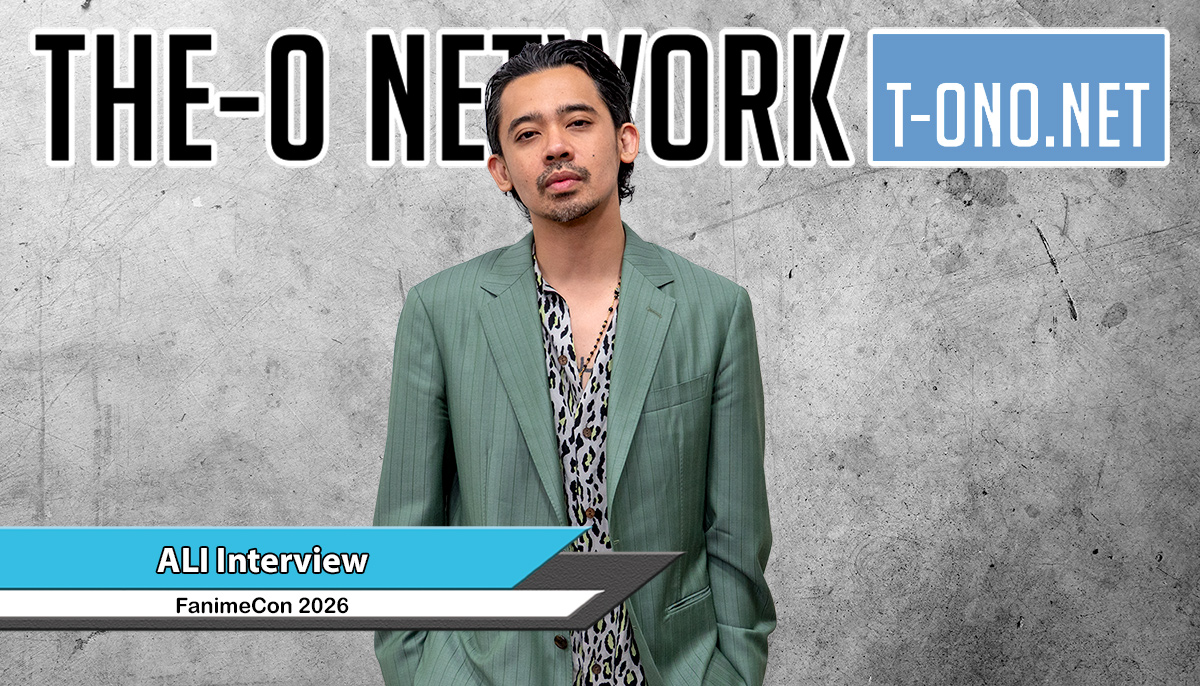
After an electrifying performance at FanimeCon’s MusicFest held inside the San Jose Civic, we had the opportunity of sitting down with Leo Imamura, the visionary frontman of the Japanese band ALI (ALIEN LIBERTY INTERNATIONAL). Known globally for their contributions to hit anime series like Beastars, Jujutsu Kaisen, and Golden Camuy, ALI has carved out a unique space in the industry by seamlessly blending hip-hop, jazz, ska, and blues. Leo joined us to share his philosophies on music, his respect for Western musical lineages, and his belief that art knows no borders.
T-ONO: Yesterday, you had an amazing show. How was it?
Leo: I thought to myself, "Wow, I really love music." I’ve always admired how in American music like blues, jazz, funk, hip-hop, and disco. It feels like they’re all connected as a family, like grandparents, parents, and children. As a Japanese artist, I was always a bit jealous of that deep, natural connection because J-pop can sometimes feel a bit distinct or disjointed rather than naturally flowing.
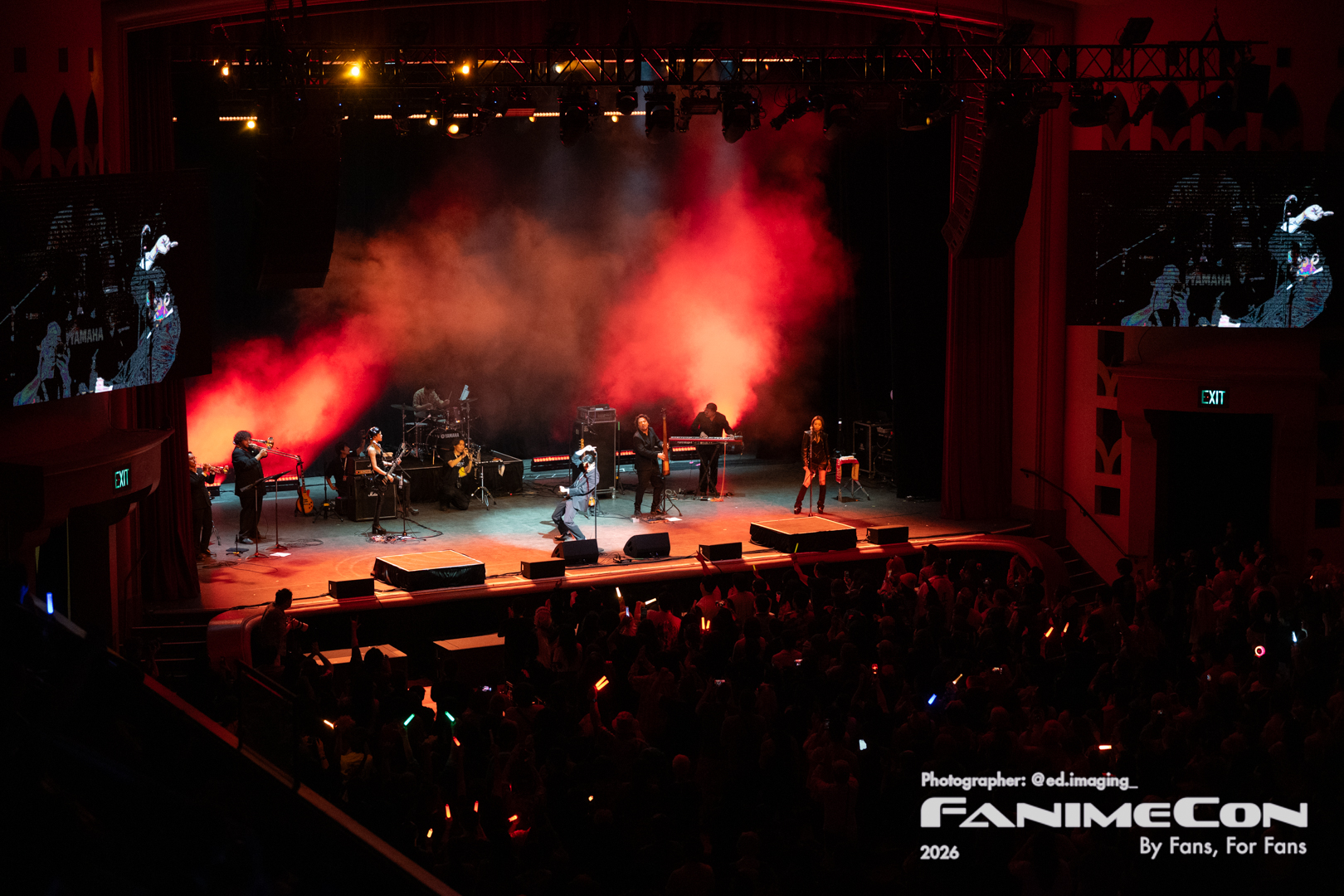
T-ONO: I noticed during your show that you mentioned the Beatles being your inspiration and how honored you felt that Ringo Starr would be performing next month on the same stage in San Jose. I also read that your music journey really started when a friend in junior high introduced you to the Beatles. Standing on that stage last night, what was it like to reflect on that journey, and how did that early love for classic rock evolve into the jazz, funk, and swing style that defines your music today?
Leo: Actually, it wasn't a direct path from the Beatles down that road. After the Beatles, I actually got really into Nirvana, which led me into punk music. I loved bands like The Clash and the Sex Pistols. After that, I fell in love with vinyl records, which introduced me to ska and Jamaican music, and then into jazz. Listening to DJs also exposed me to how different genres could mix seamlessly regardless of the cultural background. In a one-hour set, a DJ can bridge funk, disco, rock, and ska, yet maintain a beautiful, cohesive vibe. My band tries to emulate that kind of rich, blended experience.
T-ONO: I read that you were a DJ at one point, and then you studied under your friend's mother, who taught you vocals. I read that you wanted to pay homage to or portray singers and musicians in jazz and ska that never became mainstream for modern audiences. Is that accurate?
Leo: Yes, exactly. It wasn't just about paying homage; I wanted to literally manifest or portray them right in front of the audience. Originally, I just wanted to recreate those old songs for myself. But when I did it on stage, the audience really enjoyed it, and I realized it was something meaningful to share.
T-ONO: At the beginning of the concert, the band came out and did a soundcheck for "Funky Beautiful." Then, towards the very end of your performance, you had a monologue talking about how everyone is "funky beautiful." We had high hopes that "Funky Beautiful" would be played next, but it never was. What was the story behind that?
Leo: [Laughs] I wanted to do it during the soundcheck because it's a new song, and I didn't think many people knew it yet. The last song we actually played is titled "Funky Nassou," which sounds a bit like "Funky Asshole" [laughs]. It’s a very fun song used in The Blues Brothers movie, sung by Aretha Franklin. I love The Blues Brothers. I’ve actually been performing that song since before my debut, for about 10 years now. The monologue I do is something I perform all over the world, and "Funky Beautiful" was actually written after that monologue existed.
T-ONO: I watched your full music video for "Funky Beautiful" released earlier this week. I know you're a big cinephile and draw inspiration from movies. Can you tell us about the video? It starts in black and white, switches to a matte color, and then goes to super bright colors in the cathedral. How involved were you in crafting that?
Leo: The director initially wanted the entire video to be in full color. But I suggested starting in black and white and gradually transitioning into color. For me, the core theme of "Funky Beautiful" is the joy of being able to make music right now. To express that feeling of gratitude and beauty, I felt that contrast and gradation would work best. The transition in the grand hall; however, was entirely the director's idea.
T-ONO: Band Ali has always been about a melting pot of global genres (hip-hop, jazz, ska, blues). I heard that you’ve been told in the past that you need to tone down your English. The Japanese music industry often focused on bringing Japan to the world, but your goal seems to be the opposite: bringing the world to Japan. Can you comment on that?
Leo: That’s true. But there are a few nuances. Honestly, many Japanese artists aren't actively trying to sell themselves internationally. Right now, anime is helping push Japanese music globally, but a lot of the industry executives don't really know how to handle this newfound global reach. There are very few professionals, like our mentor, Nadeshiko-san from Sony Music, who have been an amazing help to us in navigating and surviving the US market.
This current generation of Japanese artists is the first to have their music easily available to everyone worldwide. I feel incredibly lucky to be born in this era. Hitting a global spark takes a miracle of many pieces coming together. For us, we didn't sit down and plan a million-dollar hit; we just did what we thought was right and what felt good.
Culture is about receiving something and then giving it back. I fell in love with American music, and yesterday's show felt like a beautiful crossroads where we love each other's culture and share it peacefully. It feels like a miracle, completely natural, without judgment, and full of mutual respect.
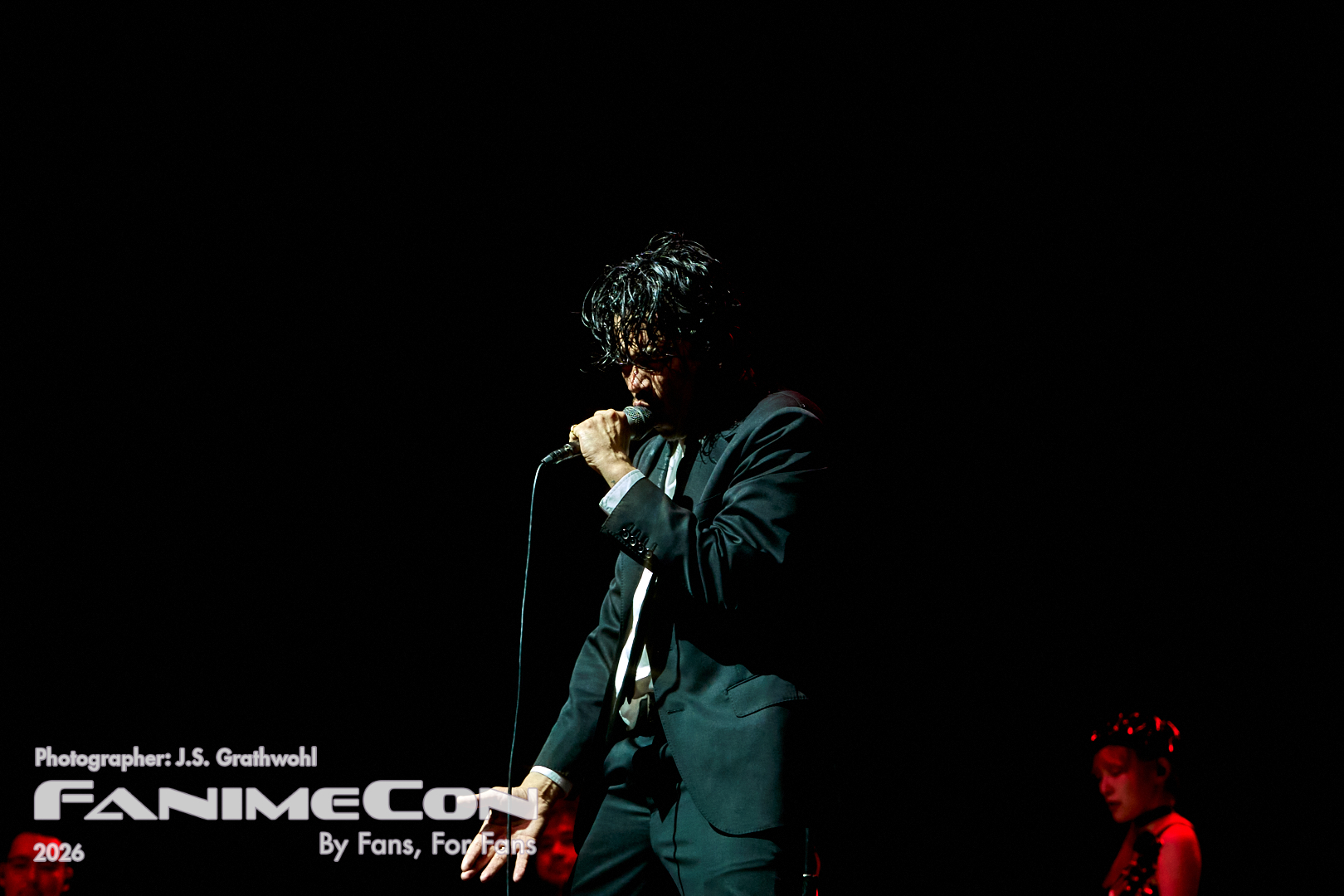
T-ONO: Korean music (K-pop) is undeniably dominant globally right now. In Japan, people often default to "Japanese content for Japanese people." What needs to change in the Japanese music industry, like old habits, for more Japanese musicians to connect with overseas fans?
Leo: I think it comes down to confidence. Japanese culture deeply values humbleness, so balancing that with global confidence is difficult. A lot of Japanese people don't realize that what they are creating is actually amazing. For example, many original Ukiyo-e woodblock prints aren't even in Japan anymore because French and British museums bought them up long ago. To the general public in Japan back then, it was just common pop culture, like a weekly manga magazine, but foreigners recognized its artistic value.
It's similar to music. In Korea, if an artist hits number one on a Billboard chart, the whole country celebrates aggressively. In Japan, the reaction is more like, "Oh, wow, that's interesting." I wish people would have more confidence and realize how great they are.
At the same time, Japan is very open to accepting foreign cultures. Whether it's K-pop or Black American music, we absorb it. Like making our own version of curry, we adapt it to fit our own flavor. There are two concepts in Japanese: aeru (to dress/mix while respecting the original form) and mazeru (to completely chop up and blend into something new). The Japanese way of adopting culture is closer to aeru. We respect the original essence while adding our own touch. Because I travel the world and come back, I realize how uniquely strange and wonderful Japanese culture is.
T-ONO: Do you have a message for your global fans who have stood by your vision and believe that music has no borders?
Leo: Thank you so much for an unforgettable night. Even if our paths never cross again and I remain just a memory, please know that if you ever feel lonely, angry, or irritated, come to one of my lives. I will keep working hard to come back to America so we can fight those feelings off together through music.
Yesterday’s crowd connected through a shared love for anime. Loving anime crosses borders, races, and genders, uniting our souls as one. Please keep loving the things you love as you go on with your lives.
T-ONO: We know it was also recently announced that you will be performing at Anime Expo in July. Best of luck, and we hope to watch you sing again!
Leo: Thank you! We only have a short 20-to-30-minute slot at Anime Expo due to the stage setup, but I want to play more. Yesterday was so much fun, and I hope to bring that same energy to LA.
Follow ALI:
- Official Website: alienlibertyinternational.com
- X (Twitter): @ALI_MUSIC_DANCE
- Instagram: @ali.love.music.and.dance
- YouTube: @ALI-ic5wf
Concert Photography: Courtesy of FanimeCon
Header / Cover photo: Theodore Mak